File Sharing Platforms for Regulated Industries
Let’s get real for a second: in most industries, you can shoot off a file through email or Dropbox and call it a day. But when you’re working in regulated industries like healthcare, finance, law, or government, it’s a whole different game. We’re talking rules, compliance checks, audits, and sometimes even jail time if you mess it up. So, what’s the solution? You need file sharing platforms that play by the rules — secure, compliant, easy to use, and tailored for industries that don’t take shortcuts.
What Makes an Industry “Regulated”?
Before we jump into the details of file sharing platforms, it’s important to understand what we mean when we talk about “regulated industries.” These industries operate under strict legal frameworks designed to protect sensitive information and ensure that organizations handle data responsibly. The regulations in these sectors are not arbitrary — they exist because the data involved can have serious consequences if mishandled, including risks to personal privacy, financial stability, or national security. This means businesses working in these fields must adhere to rigorous standards that govern how data is stored, accessed, and shared.
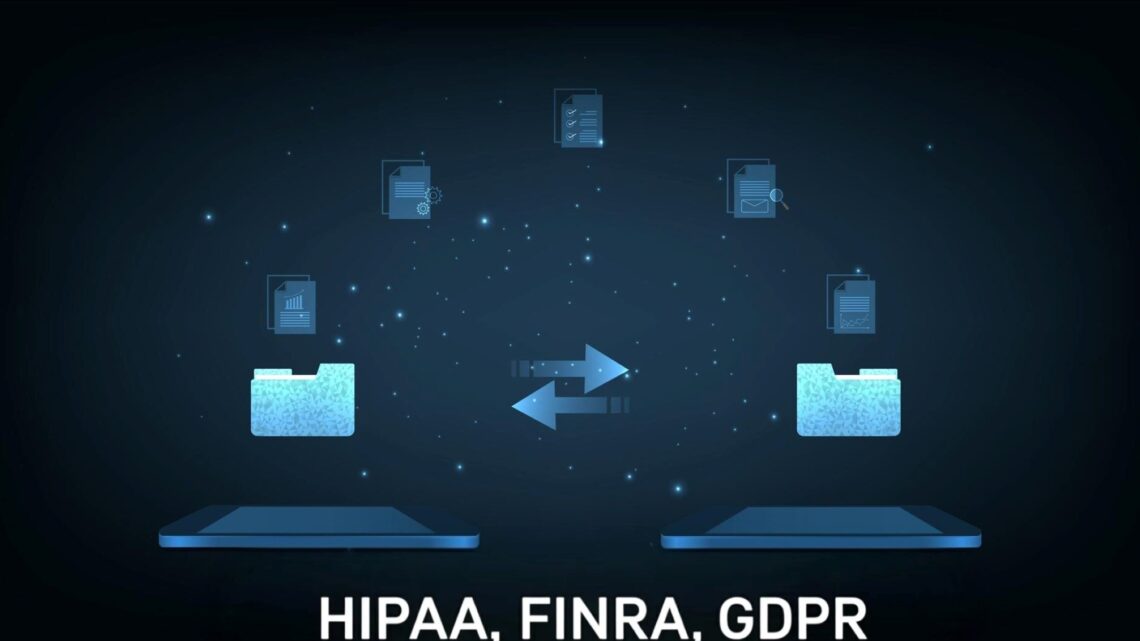
Healthcare is one of the most tightly regulated sectors, with laws like HIPAA in the United States setting the bar for how patient data must be protected. Similarly, financial services face regulations such as SOX and FINRA that mandate transparency, accurate reporting, and safeguarding of client information to prevent fraud and protect investors. Legal services, too, operate under strict confidentiality requirements because client information often includes sensitive personal and corporate details that, if leaked, could cause serious harm or compromise legal proceedings.
Government agencies handle a vast array of classified or sensitive information related to national security, public policy, and citizen data. They must comply with specialized regulations to ensure that this information is protected from unauthorized access or disclosure. Meanwhile, industries like pharmaceuticals are subject to stringent compliance standards such as FDA regulations and Good Practice guidelines (GxP), which govern everything from drug development to manufacturing documentation. These rules ensure that all data, including research findings and quality reports, are secure, accurate, and auditable.
Even sectors like energy and utilities come under heavy regulatory scrutiny due to the critical nature of their services and the potential impact on public safety and infrastructure. Organizations here must meet standards set by bodies such as NERC and FERC, which include requirements for data integrity, operational security, and incident reporting. Across all these industries, the common thread is clear: regulations demand that files are encrypted, access is tightly controlled, and comprehensive logs are maintained to track who accessed what and when. These measures are essential to maintain trust, meet legal obligations, and avoid the severe penalties that come with non-compliance.
Risks of Using Regular File Sharing Tools
| Risk | Description | Impact | Why It Happens | Example Consequence |
| Lack of End-to-End Encryption | Data is vulnerable during transfer and storage without full encryption. | Data breaches, loss of confidentiality | Standard consumer tools often encrypt only in transit or not at all | Exposure of sensitive patient or client data |
| Accidental Sharing | Files can be unintentionally shared with unauthorized users. | Unauthorized access, legal liability | Limited granular permission controls | Confidential contracts leaked to competitors |
| No Audit Trails | No detailed logs showing who accessed, edited, or shared files. | Difficulty in proving compliance | Many popular platforms don’t offer full logging | Regulatory fines due to lack of evidence |
| Weak Permission Enforcement | Inability to restrict actions such as download, edit, or forwarding. | Loss of data control | Basic sharing features without role-based controls | Sensitive financial documents redistributed improperly |
| Data Stored in Non-Compliant Regions | Data stored in countries without appropriate data protection laws. | GDPR or other regulatory penalties | Cloud providers using global servers by default | Heavy fines for mishandling EU citizen data |
Must-Have Features in File Sharing Platforms for Regulated Industries
When selecting a file sharing platform for regulated industries, you need to prioritize features that ensure data security, compliance, and control. Here is a detailed and comprehensive list of essential features you should look for:
- End-to-end encryption: Protects data during transmission and storage by encrypting files from sender to recipient, preventing interception or unauthorized access by hackers or third parties.
- Granular access controls: Allows you to specify exactly who can view, edit, download, or share files, ensuring only authorized users have the appropriate level of access.
- Audit trails: Maintains detailed logs of every action taken on files, including views, downloads, edits, and sharing activities, which is critical for regulatory compliance and internal accountability.
- Role-based permissions: Assigns access rights based on the user’s role or job function within the organization, simplifying permission management and limiting exposure to sensitive data.
- Data residency options: Enables you to choose the physical location of your data storage to comply with local data protection laws, such as GDPR in Europe or HIPAA in the United States.
- Compliance certifications: Ensures the platform meets industry-recognized standards and regulations, such as HIPAA, GDPR, SOC 2, ISO 27001, or FedRAMP, providing confidence in security and legal compliance.
- Secure mobile access: Supports safe access to files from mobile devices, equipped with security measures like encryption, remote wipe, and multi-factor authentication to protect data on the go.
- Expiring links: Allows shared links to automatically expire after a set timeframe, reducing the risk of files being accessed indefinitely or after they are no longer relevant.
- Watermarking: Adds unique identifiers or visible marks to shared documents to discourage unauthorized redistribution and help trace leaks back to the source.
- Two-factor authentication (2FA): Adds an extra layer of security by requiring users to verify their identity with a second method beyond just a password.
- Secure file deletion: Ensures files are completely and irreversibly deleted from all storage locations when requested, preventing recovery or unauthorized access later.
- Version control: Keeps track of all changes made to a document, allowing users to revert to previous versions and maintain a complete history of edits for transparency.
- Integration capabilities: Works seamlessly with other business tools like email platforms, CRM systems, and productivity suites to streamline workflows without compromising security.
- User activity notifications: Sends alerts to administrators or users when certain activities occur, such as file downloads or permission changes, to monitor sensitive actions in real-time.
- Customizable permission expiration: Lets you set time limits on user permissions for specific files or folders, automatically revoking access after the set period.
Top File Sharing Platforms for Regulated Industries
When it comes to file sharing in regulated industries, not all platforms offer the same level of security, compliance, and functionality. Some solutions stand out because they have been specifically designed or adapted to meet the stringent requirements of sectors like healthcare, finance, government, and legal services. For instance, ShareFile by Citrix is a popular choice among professionals in finance and healthcare due to its bank-level encryption, client portals, and support for electronic signatures. Its certifications, including HIPAA, SOC 2, and ISO, make it a reliable option for organizations that cannot afford to take risks with sensitive data. This platform caters well to law firms, financial advisors, and clinics that need robust, professional-grade tools for secure collaboration.
Egnyte takes a slightly different approach by offering a hybrid storage solution that combines on-premises and cloud storage options. This flexibility appeals to companies that manage a mix of local and cloud data but require tight control over their content. Egnyte’s built-in content governance features and integrations with widely used productivity tools like Microsoft 365 and Google Workspace make it particularly suited for businesses that want to maintain control without sacrificing convenience or workflow efficiency. This platform is especially beneficial for organizations balancing compliance needs with operational flexibility.
Kiteworks, formerly known as Accellion, excels in environments where audit readiness is paramount. It provides encrypted file transfers through various protocols like SFTP and FTP, and offers secure email and virtual data room solutions. These features make it a preferred choice for government agencies and enterprises with strict auditing and logging requirements. The detailed audit trails and extensive logging capabilities ensure that organizations can meet regulatory demands and provide evidence of compliance during inspections or legal reviews.
Other notable platforms include Tresorit, a Swiss-based company known for its privacy-first, zero-knowledge encryption model, which appeals to European organizations and privacy-conscious firms needing GDPR compliance. Box’s enterprise edition offers advanced permission controls, integration with thousands of apps, and workflow automation, making it suitable for large teams handling complex document processes. Meanwhile, Onehub provides secure data rooms, granular permissions, two-factor authentication, and client portal branding, targeting small to mid-sized businesses that seek an affordable yet secure platform tailored to regulated industries. Each of these platforms brings unique strengths to the table, helping regulated organizations protect their sensitive data while enabling smooth and compliant file sharing.
How to Choose the Right Platform
| Business Need | Why It Matters | Recommended Platforms | Key Features | Best For |
| Client Portals | Secure, branded environment for client file exchange | ShareFile, Onehub | Custom portals, external user access controls | Law firms, consultants, financial advisors |
| Data Sovereignty | Control over data storage location to meet local laws | Tresorit, Egnyte | Regional data centers, compliance certifications | Organizations subject to GDPR, HIPAA |
| Workflow Automation | Streamlining document approvals and collaboration | Box | Automated workflows, app integrations | Large enterprises, complex workflows |
| Audit and Logging Features | Detailed tracking of file activity for compliance | Kiteworks | Tamper-proof logs, regulatory reporting | Government agencies, highly regulated sectors |
Security Isn’t Optional — It’s Mandatory
In regulated industries, ensuring the security of your file sharing processes is absolutely critical. One small mistake can lead to massive fines, legal trouble, and loss of trust from clients and partners. Because these industries are heavily scrutinized, your security measures must be comprehensive and foolproof. Here’s a detailed list of essential security elements every regulated business must have in place to keep their sensitive data safe and compliant:
- End-to-end encryption: Protects data throughout its entire journey, making sure files are encrypted on your device, during transfer, and on the recipient’s end, so unauthorized parties cannot intercept or read sensitive information.
- Strong, enforced password protection: Requires users to create complex passwords and regularly update them, preventing easy hacking through weak or reused passwords.
- Two-factor authentication (2FA): Adds an extra layer of security by requiring a second form of identity verification, such as a text message code or authentication app, significantly reducing the risk of unauthorized account access.
- Activity tracking: Monitors and logs every interaction with shared files—including viewing, downloading, editing, and sharing—to detect suspicious behavior and provide accountability.
- Access logs: Keeps detailed records of who accessed each file, at what time, and what actions were taken, creating an audit trail that is crucial for compliance reviews and forensic investigations.
- Role-based access controls: Ensures users only have access to files necessary for their role, limiting exposure and reducing insider risks.
- Regular security updates and patches: Keeps the file sharing software up to date to protect against newly discovered vulnerabilities and cyber threats.
- Secure data storage: Uses encrypted servers or cloud environments that comply with industry-specific regulations, protecting files even at rest.
- Automatic session timeouts: Logs users out after periods of inactivity to prevent unauthorized access on unattended devices.
- Secure file deletion: Ensures files and their copies are permanently erased when no longer needed, preventing data recovery by unauthorized parties.
- Multi-factor authentication for admin access: Adds extra protection for administrators who manage permissions and system settings, safeguarding critical controls from misuse.
- User permission expiration: Automatically revokes access rights after a set period, reducing the risk of outdated or unnecessary permissions lingering.
- Watermarking of sensitive documents: Embeds visible or invisible marks in files to deter unauthorized distribution and help trace leaks.
- Data loss prevention (DLP) integration: Identifies and blocks attempts to share or download sensitive information outside approved channels.
- Encrypted backups: Maintains copies of data in encrypted form to protect against data loss while ensuring privacy.
- Compliance with security certifications: Aligns with standards such as HIPAA, GDPR, SOC 2, and ISO 27001, demonstrating adherence to recognized best practices.

You May Also Like

Enterprise Cloud Fax Solutions: Features to Look For

How to Create a Secure File Workflow for Client Onboarding